
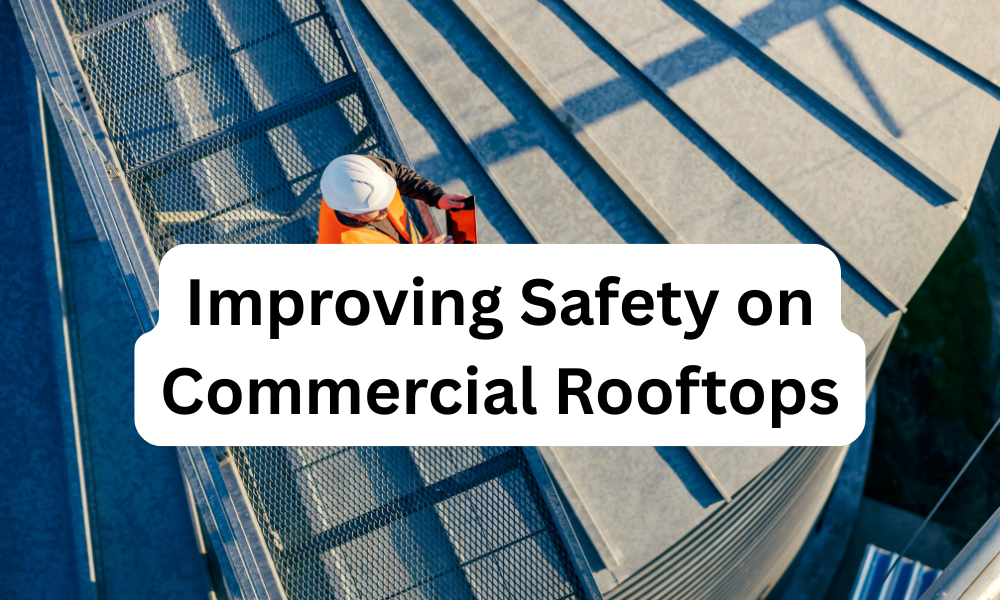
For contractors and developers, ensuring rooftop safety has become a key priority in commercial projects. Thanks to innovative solutions, rooftops can now be accessed more securely without sacrificing the visual appeal of the building.
Modern design elements play a vital role in creating safer rooftop environments. For instance, glass balustrade systems not only improve safety standards but also enhance the building’s aesthetic value with their sleek and transparent design.
With the growing demand for secure access points, careful consideration during the planning and design phase is essential. This includes addressing:
-
Structural requirements for safe integration,
-
Maintenance strategies that ensure long-term reliability,
-
User-friendly solutions that combine safety with practicality.
Ultimately, incorporating modern safety measures into commercial rooftop projects not only protects users but also adds lasting value to the property.
Contents
Understanding Safety Measures in Commercial Roofing
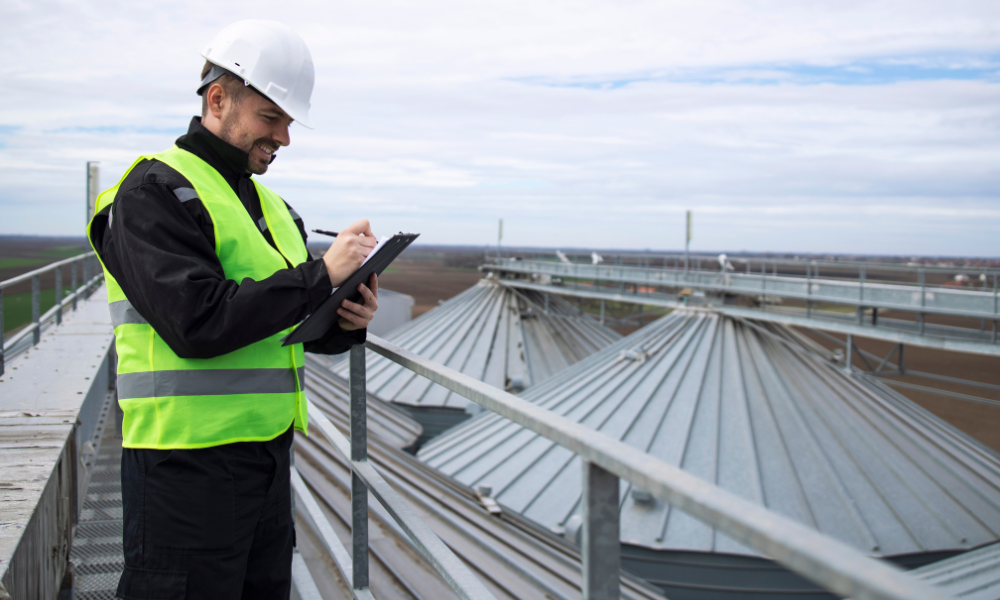
In commercial roofing projects, safety must remain a top priority for contractors, developers, and specifiers alike. Achieving this requires the use of innovative solutions that provide secure rooftop access without compromising the architectural character of the building. When properly integrated, modern safety features not only reduce the risk of accidents but also create a safer, more reliable environment for occupants and maintenance teams. Compliance with established regulations and industry standards is fundamental to ensuring every installation meets the highest level of protection.
A crucial step in improving rooftop safety is the careful assessment of potential hazards and the implementation of effective countermeasures. This often involves the installation of barriers or guardrails that serve as fall protection while blending seamlessly with the overall design. To be effective long term, these features must also be engineered to endure harsh weather conditions and retain their structural integrity over time.
Equally important is equipping personnel with the right knowledge. Training programs that emphasise safe access procedures, risk awareness, and proper use of equipment can significantly minimise the likelihood of accidents. Alongside education, routine inspections and ongoing maintenance of safety systems form the backbone of a comprehensive, proactive safety strategy.
Modern Design Elements for Rooftop Safety
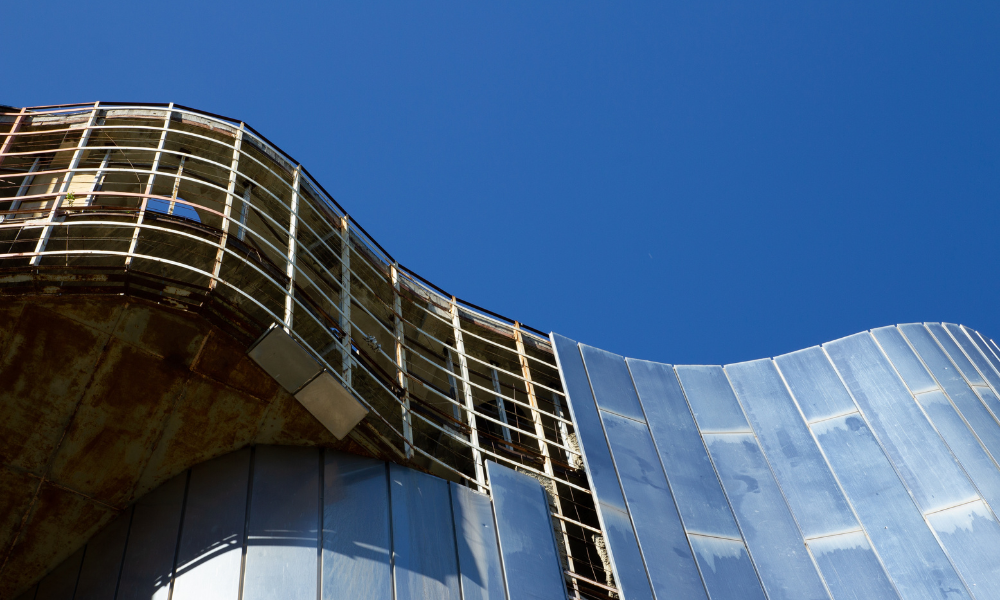
Integrating contemporary design elements into roofing projects can elevate both functionality and visual appeal. For instance, incorporating transparent features such as glass provides unobstructed views while acting as a secure barrier against falls. This design approach not only aligns with safety regulations but also fosters an open, welcoming rooftop environment.
Advances in materials technology play a central role in achieving this balance between aesthetics and performance. The use of resilient options like tempered or laminated glass reduces the risk of breakage, ensuring long-lasting protection without compromising elegance. Many of these materials are also treated for scratch resistance and durability, extending their lifespan even under demanding conditions.
Lighting integration further enhances both safety and atmosphere. Thoughtfully positioned fixtures improve visibility in low-light settings, highlighting potential hazards while creating a warm and inviting ambiance. This dual function encourages safe and enjoyable rooftop use at any time of day.
Structural Requirements in Commercial Roofing Projects
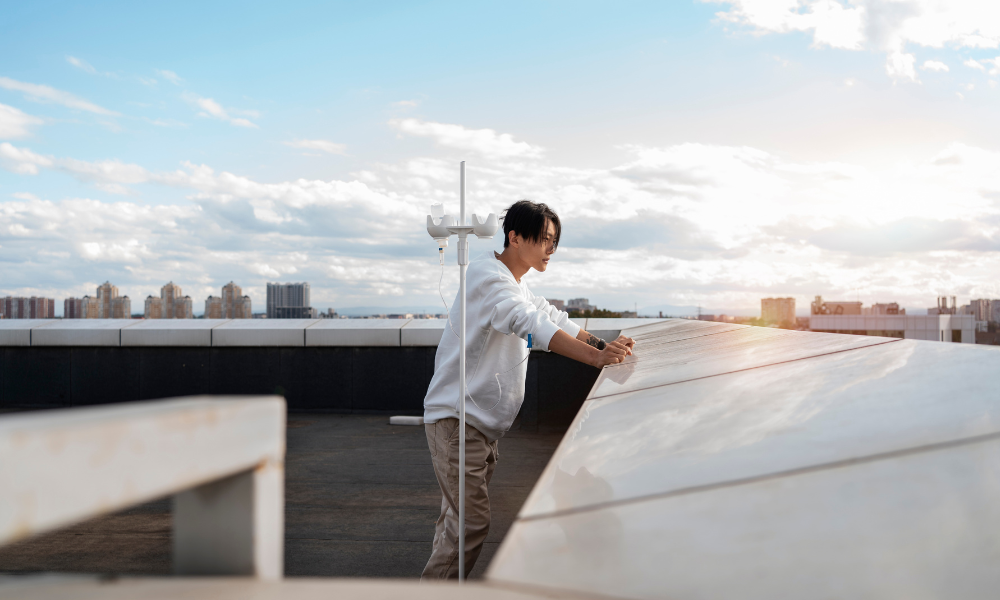
When planning a commercial roofing project, a clear understanding of structural requirements is vital to ensuring safety and long-term performance. Evaluating the roof’s load-bearing capacity is the first step, as this determines whether additional supports are needed for new installations. Collaboration with structural engineers is invaluable, helping to identify vulnerabilities and implement reinforcement strategies tailored to the building’s needs.
Environmental factors must also be carefully assessed. Wind loads, weather patterns, and other external forces directly influence material selection and design choices. Leveraging tools such as computer-aided design (CAD) software allows project teams to visualise how different components will interact within the space, reducing risks before construction even begins.
Another critical consideration is the impact on the roof’s drainage system. Proper water management prevents standing water, which can cause structural damage and shorten the lifespan of both the roof and installed safety features. By addressing drainage at the design stage, contractors not only protect the building’s integrity but also ensure the durability of all added elements.
Maintenance Strategies for Long-Term Rooftop Safety
Sustaining rooftop safety requires consistent upkeep and proactive measures. Regular inspections are essential for detecting signs of wear, damage, or deterioration that could weaken critical features such as barriers and guardrails. Addressing these issues promptly prevents minor concerns from developing into major safety risks.
Beyond inspections, scheduled cleaning plays an equally important role. Removing debris from surfaces helps maintain clear visibility, supports proper drainage, and ensures safe movement across rooftop areas. A clean, well-maintained environment also enhances the overall appearance of installed features.
Relying on professional maintenance services further strengthens this strategy. Expert oversight guarantees that all tasks meet industry standards while extending the service life of safety systems. By identifying and resolving potential problems early, professional care helps avoid costly repairs and ensures that safety measures remain reliable over time.

Leave a Reply