

Contents
- 1
- 1.1 Effects Of Bitumen On The Environment
- 1.2 Negative Effects Of Bitumen On The Environment
- 1.3 What Are The Hazards Of Bitumen?
- 1.4 What Are The Environmental Consequences Of Extracting Bitumen?
- 1.5 How Bad Is Bitumen For The Environment?
- 1.6 How Is Asphalt Harmful To The Environment?
- 1.7 Does Bitumen Affect Plants?
- 1.8 Comparison: Bitumen vs Eco-Friendly Alternatives
- 1.9 Effects Of Bitumen On The Environment: F.A.Q
Understanding what is bitumen is essential before assessing its environmental footprint. The effects of bitumen on the environment are increasingly studied as industries expand road construction and roofing projects worldwide. Bitumen, also known as asphalt, plays a central role in infrastructure but raises questions about emissions, waste, and ecosystem impact. From rising bitumen price concerns to sustainable alternatives such as bitumen membrane solutions, understanding these consequences is crucial. For practical applications, see how to use bitumen and emerging materials like APP modified bitumen.
Effects Of Bitumen On The Environment
The effects of bitumen on the environment vary from air pollution during production to soil contamination. During extraction and processing, bitumen releases greenhouse gases that contribute to climate change. When used in roads and roofing, improper disposal or burning of residues can release toxic compounds, harming ecosystems. Recycling efforts and proper waste management can reduce these impacts significantly.

Negative Effects Of Bitumen On The Environment
The negative effects of bitumen include emissions of sulfur oxides, volatile organic compounds (VOCs), and particulates. These pollutants affect air quality and human health. Water contamination may occur if storage tanks leak. In sensitive habitats, spills can damage soil and water ecosystems. Regulations and innovations such as cold-mix asphalt aim to reduce these negative impacts. Despite these drawbacks, the main purpose of bitumen remains its vital role as a binder in road construction and infrastructure, ensuring durability and waterproofing.
What Are The Hazards Of Bitumen?
Hazards of bitumen primarily relate to occupational safety and environmental risks. Workers exposed to hot bitumen may suffer from burns or respiratory irritation from fumes. Long-term inhalation can increase health risks. Environmentally, improper handling of bitumen waste may contaminate groundwater and affect agricultural lands. Compared with other petroleum-based products, bitumen is less flammable but still requires strict safety measures.
What Are The Environmental Consequences Of Extracting Bitumen?
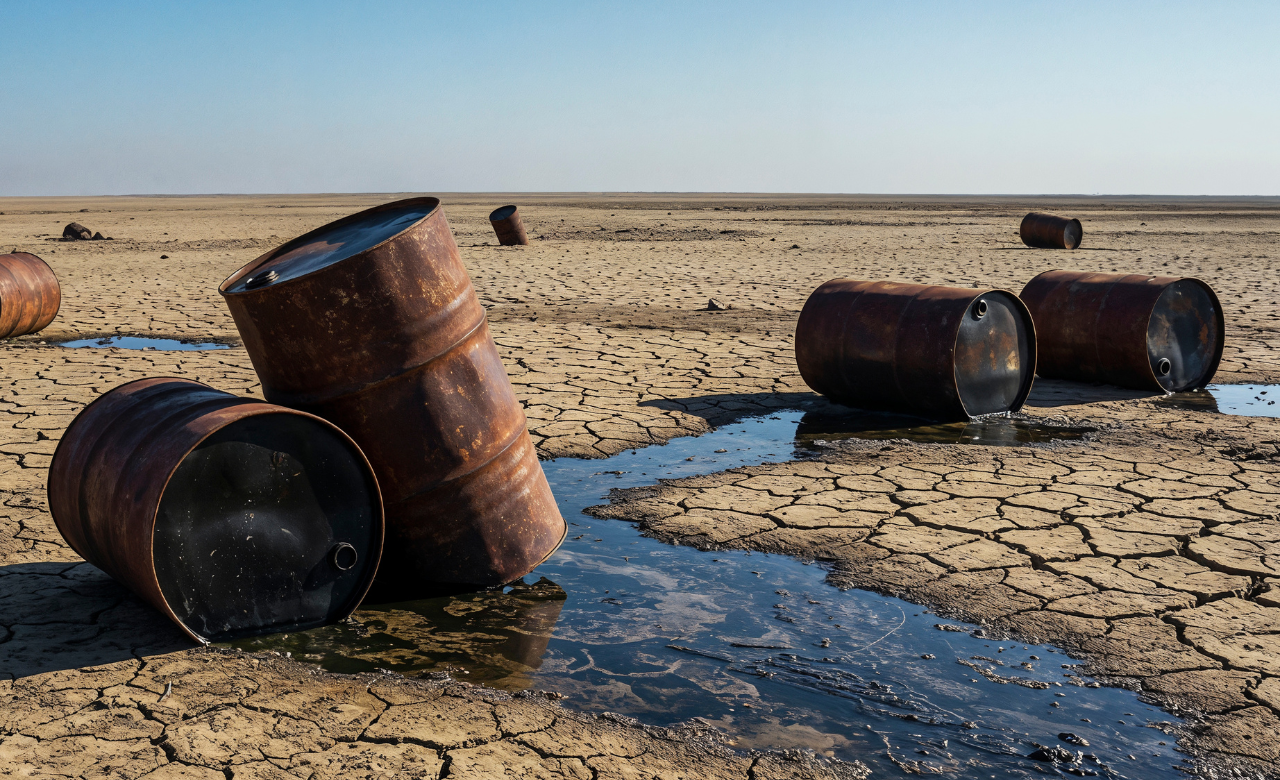
Extraction of bitumen, especially from oil sands, has significant consequences. Large amounts of water and energy are required, leading to high carbon emissions. Land disruption destroys natural habitats, while toxic tailings ponds threaten wildlife. Sustainable practices, including reclamation of mined land and water recycling, are being introduced to mitigate these impacts.
How Bad Is Bitumen For The Environment?
The question how bad is bitumen for the environment? depends on its lifecycle. During production and application, bitumen contributes to air pollution and carbon emissions. However, when managed with modern recycling technologies and controlled emissions, the impact can be minimized. Policymakers are increasingly pushing for sustainable alternatives, but bitumen remains widely used due to cost-effectiveness and durability.

How Is Asphalt Harmful To The Environment?
Asphalt, another term for bitumen, can be harmful through heat island effects in cities, release of polycyclic aromatic hydrocarbons (PAHs), and energy-intensive production. Asphalt pavements absorb heat, raising urban temperatures. When degraded or burned, harmful chemicals may leach into soil and air. Green infrastructure solutions, reflective coatings, and alternative binders help address these environmental challenges.
Does Bitumen Affect Plants?
Yes, bitumen can affect plants if residues contaminate soil. Hydrocarbon leakage may reduce soil fertility, alter pH, and harm plant growth. However, when properly installed as bitumen membrane systems, environmental leakage is minimized. Recycled asphalt and environmentally friendly alternatives are being researched to reduce risks to vegetation.
Comparison: Bitumen vs Eco-Friendly Alternatives
| Criteria | Bitumen | Eco-Friendly Alternatives |
|---|---|---|
| Carbon Emissions | High | Lower |
| Durability | 20-25 years | 15-20 years |
| Cost | Affordable | Higher |
| Impact On Ecosystem | Moderate to High | Low |
Effects Of Bitumen On The Environment: F.A.Q
Is Bitumen Safe for Plants?
Bitumen can negatively affect plants if it contaminates soil, reducing fertility and water retention. However, in controlled applications such as membranes, risks are minimal.

Leave a Reply