
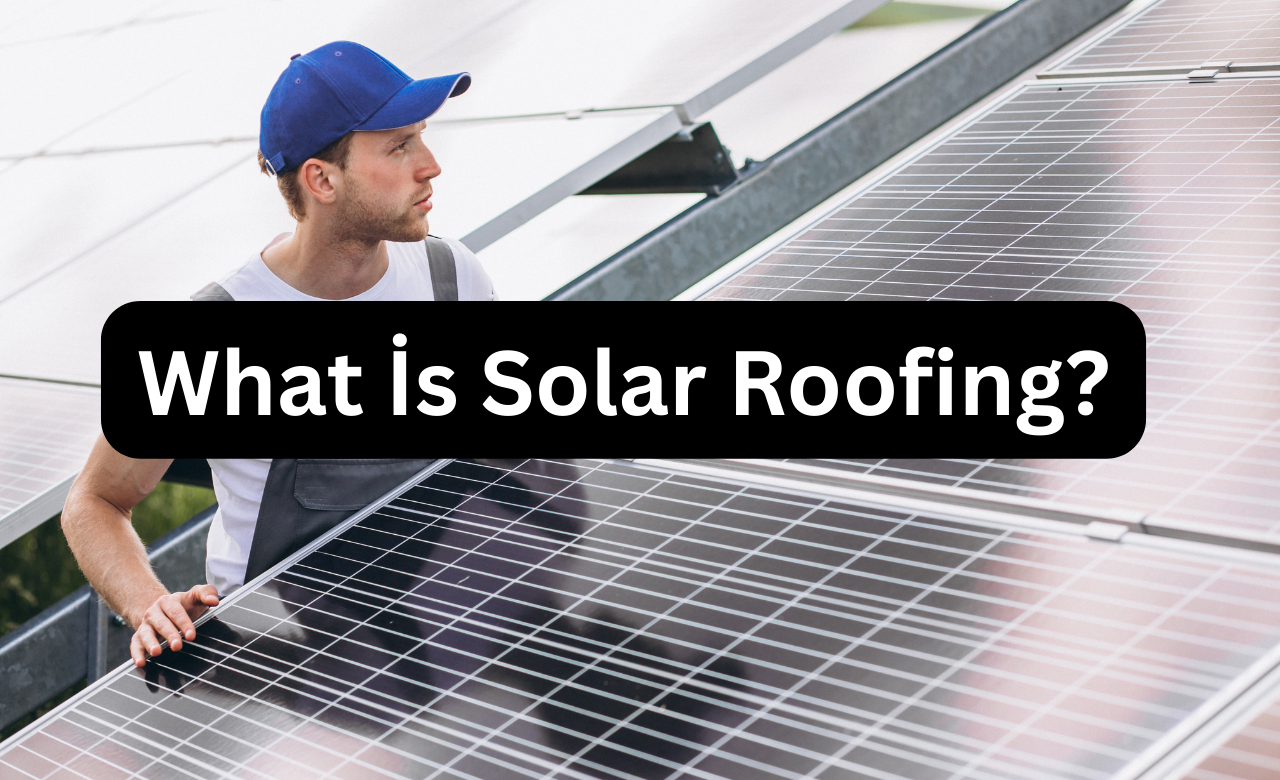
Energy efficiency is something everyone supports — it helps the planet, reduces expenses, and promotes sustainable living. Yet, lifestyle changes at home can only take us so far. That’s where solar roofing steps in as a game-changer.
Most people are familiar with solar panels, but far fewer realize how advanced, affordable, and reliable solar technology has become today. In this article, we’ll dive into the world of modern solar roof tiles, exploring how they work, their advantages, and why they may be the key to long-term energy savings. Just like solar roofing transforms the way we think about energy, understanding what is bitumen? helps explain why this material is so essential in construction and infrastructure.
Contents
What Roof is Best for Solar Panels?
If you already know how solar panels work, you understand the core principle of solar energy: a photovoltaic surface captures sunlight and converts it into electricity. The technology is not only fascinating but also efficient, eco-friendly, and cost-saving.
When people think of solar energy, they often imagine large, bulky panels. While traditional solar farms still exist, the industry has evolved. Today, lightweight solar roof tiles are transforming the way we integrate solar energy into our homes.
The process is surprisingly simple. Just like replacing old roof tiles with modern metal ones, you can now swap traditional roofing materials for solar tiles. Each tile functions as a small solar panel, complete with its own photovoltaic system that connects seamlessly with others. Instead of worrying about a massive panel that may not fit or affect your roof’s structure, you get a streamlined solution — a solar-powered roof that looks and functions like a regular one.
Another advantage is availability. Solar tiles are no longer rare or experimental; they can be purchased from trusted suppliers and are already gaining popularity in places like the UK. This makes them a practical option for homeowners looking to balance aesthetics, efficiency, and long-term sustainability. Similar to solar tiles, understanding the main purpose of bitumen highlights how essential materials shape durability and efficiency in modern construction.
What Type of Roof is Best for Solar Panels?
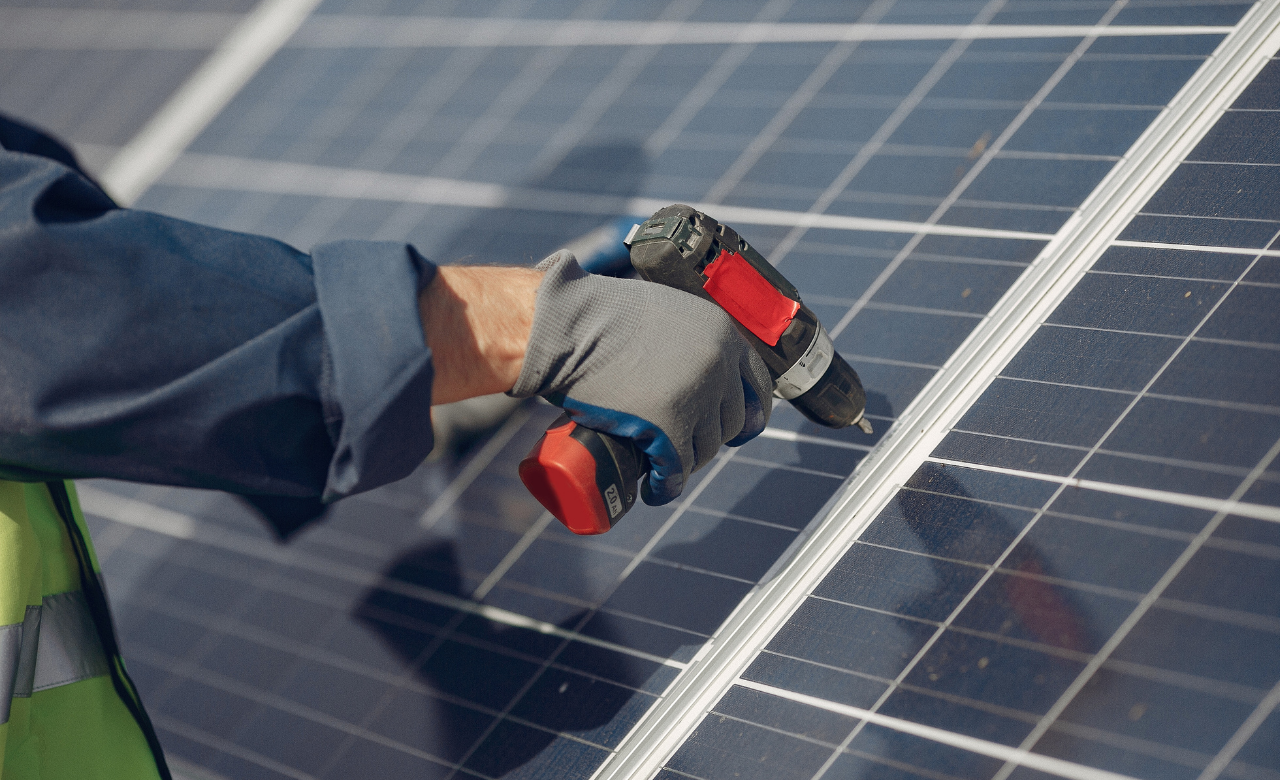
When considering solar energy for your home, one of the most important factors is the type of roof you have. While solar panels and solar tiles can be adapted to many structures, certain roofing materials and designs offer the best performance and durability.
1. Asphalt Shingle Roofs
Asphalt shingles are among the most common and affordable roofing types, making them highly compatible with solar panels. They are easy to work with during installation, and their durability provides a solid foundation for solar mounting systems.
2. Metal Roofs
Standing seam metal roofs are considered one of the best options for solar installations. The raised seams allow panels to be attached without drilling holes, preserving the integrity of the roof. Metal roofs also have a long lifespan, which matches well with the 25–30 year lifespan of solar systems.
3. Tile Roofs
Clay or concrete tile roofs can also accommodate solar, though the installation process is more complex. Tiles may need to be removed or adjusted to fit the panels properly. However, when combined with solar tiles (photovoltaic shingles), they create a seamless and visually appealing solution.
4. Flat Roofs
Flat roofs are suitable for both residential and commercial solar projects. Panels can be installed on angled mounts to capture the maximum amount of sunlight. While flat roofs may require more space, they offer flexibility in orientation and layout.
How to Clean Solar Panels on Roof
For solar panels to work at full capacity, they need to stay clean. Dust, leaves, and bird droppings can block sunlight and lower efficiency. Luckily, keeping them clean is simple if you follow a few steps.
1. Put Safety First
Check if it’s safe to reach your roof. If it’s too steep or risky, call a professional instead of doing it yourself.
2. Switch Off the System
Turn off the solar system before starting any cleaning to avoid accidents.
3. Rinse with Water and a Soft Brush
Usually, plain water is enough. Use a garden hose or a bucket with a soft sponge/brush. Don’t use hard tools that could scratch the surface.
4. Use Mild Soap for Stubborn Dirt
If dirt doesn’t come off with water, add a little mild soap. Rinse carefully to make sure no residue stays on the panels.
5. Clean at the Right Time
The best time is early morning or evening when panels are cool. Never spray cold water on hot panels, as it may damage the glass.
Is Solar Roofing for Me?
It’d be easy to answer that switching to solar tiles is meant for everybody who wants to save some money, but there are some important considerations to make.
Suitability
The most important aspect to determine whether you should switch to solar tiles is whether your property is suitable for it. Photovoltaic energy does come with a few needs, and they must be carefully considered beforehand. Similarly, if you want to understand its applications in construction, you can check how to use bitumen? for practical insights into this material’s versatility.
First things first: The angle of your roof. Photovoltaic tiles have a preferred angle for light to hit them, and that directly affects their output and efficiency. Thankfully, the UK is largely covered on that angle. The ideal angle for solar energy is between 30? and 40?, which is in fact the standard in the UK.
That doesn’t mean, however, that if you have a different angle on your roof, you can’t make the switch to solar at all. It just means energy efficiency will be different, but it’s not like a few degrees off will render the system useless. In a similar way, roofing materials also matter — learning what is modified bitumen can help you see why this option is widely used for durability and waterproofing.
Cost
Cost will be the big factor for most people. And it bears to be said upfront: Switching to solar tiles is an investment.
Compared to changing your tiles for any other lightweight tiles, solar tiles are definitely the most expensive option on the market. It’s going to be an expense. But it’s also important to consider that you will also save money in the long run.
As with any house-renovation project, you will have to consider the cost of the initial investment. That said, solar roofing has an immediate return on investment that can’t be overlooked. And making the calculations on how much you’ll save in a year compared to the initial cost will help you make an informed choice. On a broader scale, it’s also worth considering sustainability factors in other materials, such as the effects of bitumen on the environment, to better understand the long-term impact of construction choices.
In Conclusion
Unlike their original and larger cousin, solar roofing is a really straightforward system that is easy to install and will work in most UK households with little issue. Likewise, the mechanics are the same. Solar roofing isn’t a completely new way to use solar energy; it’s classic solar energy made more practical.
The main considerations to have in mind are cost and viability. And it’d be good to keep in mind as well that the output will be slightly lower than a large-scale panel. But the fact remains that solar tiles remain the most practical and comfortable way to make the switch to solar energy these days.
And the best part? It’s becoming readily available and adopted in the UK. So if you have any interest in switching to solar or just making an inquiry, you can contact the specialists today and get clear estimates and explanations for your house. Just make sure to head to a trustworthy supplier like Metrotile and start your change to solar today.

Leave a Reply